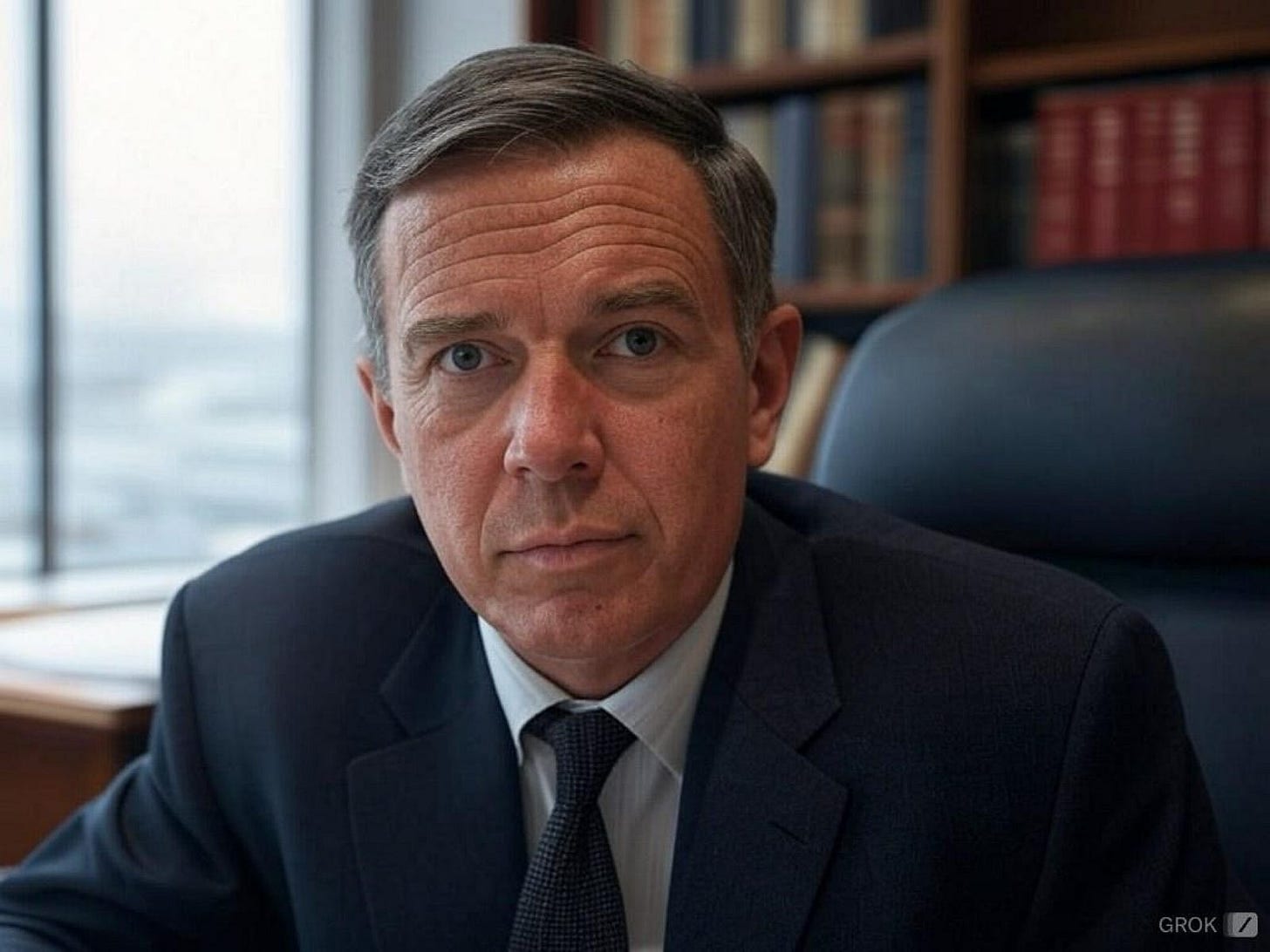
David Ogilvy, Created by Grok
AI promises efficiency. In simple terms, it means fewer man-hours.
Agencies sell ideas, strategy, and execution. But the form they sell it in is man-hours.
We are about to see a moment when AI shifts the power away from intermediaries and gives it back to talents and brands.
Twenty years ago, I finally graduated after eight years at university. I dropped out twice along the way. Like many entrepreneurs, I came to Istanbul broke but with one big dream: start a youth marketing agency.
I wasn’t the usual “ad guy.” but I had a vision, clear plan and grit. Honestly, I wasn’t even sure the industry would accept me.
But it did.
The creative world has this unique side. If you keep pushing and show talent, sooner or later someone opens the door for you. That’s how I built a career I still love.
Well, now things are shifting. And I feel both excited and sad.
In the past three years, I stepped away from pure creative work. I started building an AI-driven marketing intelligence platform with a new team.(ADIN.AI) That changed my view completely. I now see how creativity and media planning are evolving, and AI is speeding everything up.
Not long ago, a huge brand ended its retainer deal with a big creative agency and built an ecosystem of smaller agencies to work with on a project basis. Some of the words in their announcement stayed with me.
But I wasn’t surprised. This is where things are going. Soon, many brands will run their own in-house teams.
We’ve all talked about change in advertising for years, often with nostalgia, as if it would move slowly. But with AI, the pace is no longer slow. It’s fast.
Ideas and strategy will always matter. But the balance of power is shifting. First, media moved from agencies to platforms. Now creative power is moving too — toward smaller teams, freelancers, and independent talents.
So, what does that mean in practice?
1. Agency Fees vs AI
Most agencies still charge by hours. Clients pay for time, not always for results. That model is under pressure. AI now takes care of repetitive work that used to take hours.
AI does not replace talent. It frees talent.
Numbers prove it. In 2008, 42% of brands had in-house creative teams. By 2023, the number reached 82%. Why? Because it’s faster, cheaper, and more efficient. And AI only makes this move stronger.
Clients see smaller teams deliver more. They begin to ask: “What am I really paying for?”
2. The Talent and AI Flip
Agencies used to rely on big creative teams: planners, designers, strategists. But AI changes the balance.
One strong creative with the right tools can now do what ten people once did. The balance flips. Agencies no longer hold all the power.
Harvard Business Review said it well:
“AI accelerates decentralization in advertising by empowering talents.”
What once took twenty people and three months now takes one talent and a week.
3. Media Planning in Brands’ Hands
The same shift is happening in media.
In 2024, 40% of global ad budgets were managed in-house. By 2030, it might reach 60%. Brands want speed, control, and transparency. AI delivers that.
For media agencies, this means tighter margins and smaller roles.
What’s Next?
AI is pushing advertising toward independence.
- Hourly fees will fade
- Talents will work like mini-agencies
- Brands will bring media planning inside their teams
This may feel uncomfortable, but it’s full of opportunity. The winners will be the ones who adapt instead of resist.
So, here’s how I see it. AI helps scientists cut years of drug discovery down to days. For creatives, it helps reach strong ideas faster too.
For talents, there has never been a better time to be in this game.