SHORT ANSWER
Societies, like people, seem to go through optimistic and pessimistic seasons. Prosperity, peace and new technologies raise confidence in the future; crises, wars and uncertainty wear it down. Looking back, there are examples we can read as optimistic periods of roughly 10 to 20 years and pessimistic periods of 5 to 15 years, but this is not a fixed calendar. In optimistic times we imagine the future; in pessimistic times we miss the past.
Lately I’ve been wondering about something: what changes the mood of the world?
In some periods, people look at the future with hope. The music is happier, the ads are more colourful, people are braver. Then something shifts. Films get darker, music gets harder, and instead of imagining the future, people start to miss the past.
Is it the economy, wars or technology? Or do societies, like people, have optimistic and pessimistic seasons? I looked back a little. An interesting picture came out.
The years we believed in the future

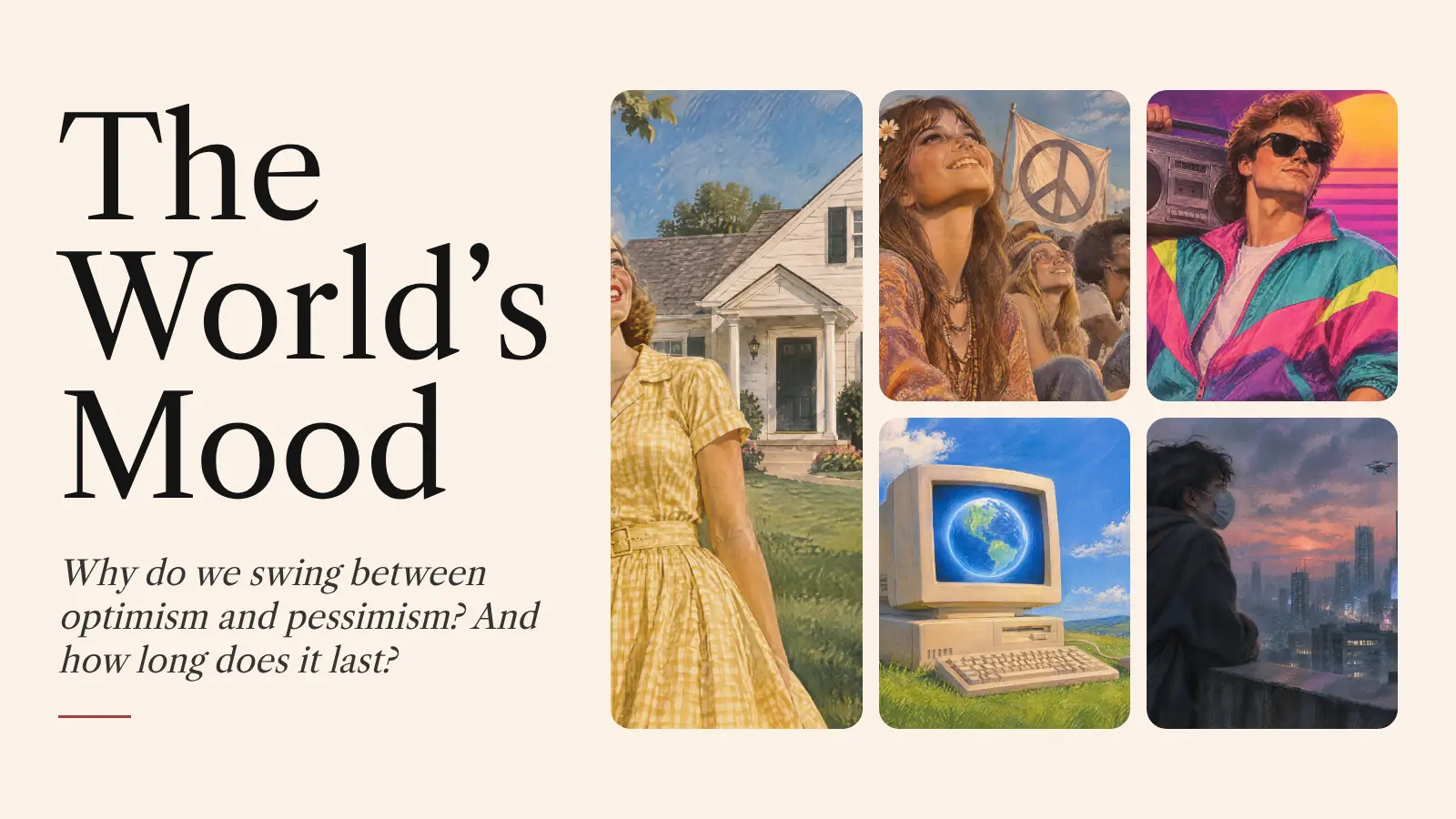
The 1950s: The American dream. Post-war growth, cars, televisions and new homes. The big promise of the decade was simple: our children will live better than us. Of course, this hope was not shared equally. Racial segregation, limited rights for women and the fear of nuclear war were also part of the same decade.
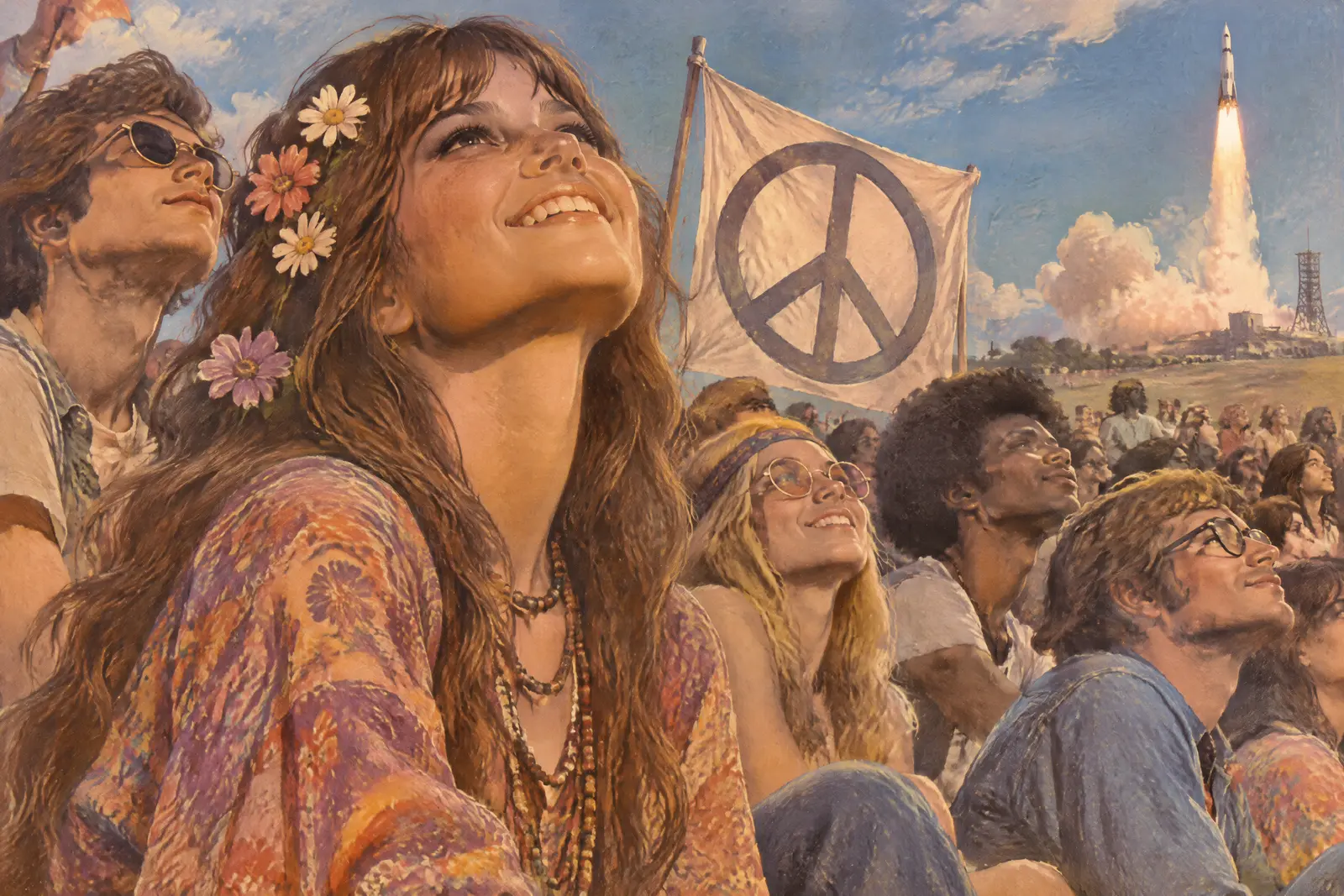
The mid 1960s: We can change the world. The Beatles, the space race, youth movements and new freedoms. People didn’t only want to live better. They wanted to change the world. The Vietnam War and political assassinations weakened that spirit.
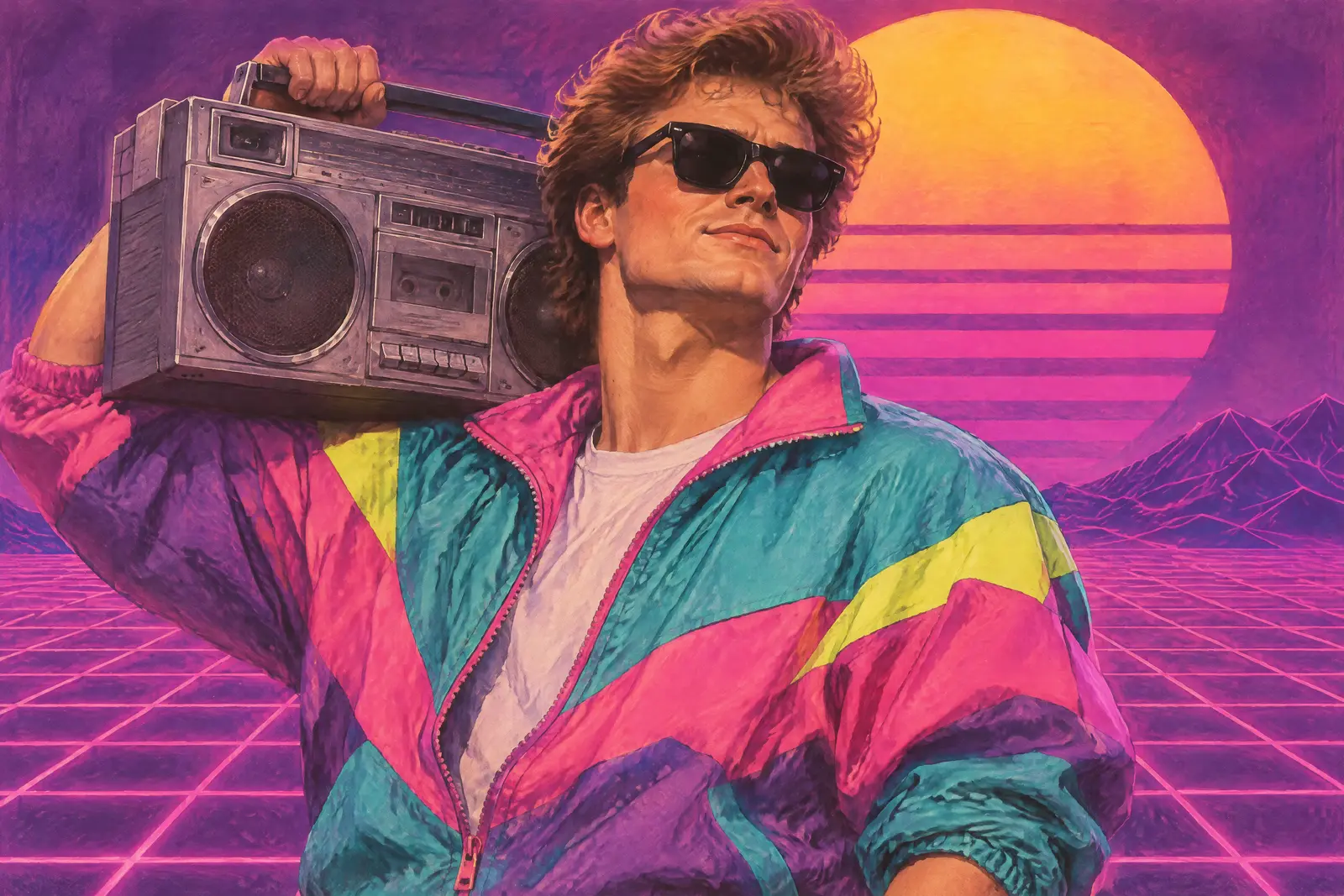
1984 to 1989: Anything is possible. MTV, Michael Jackson, Madonna, personal computers, bright colours and big brands. Success and personal freedom came back to the centre of mainstream culture.
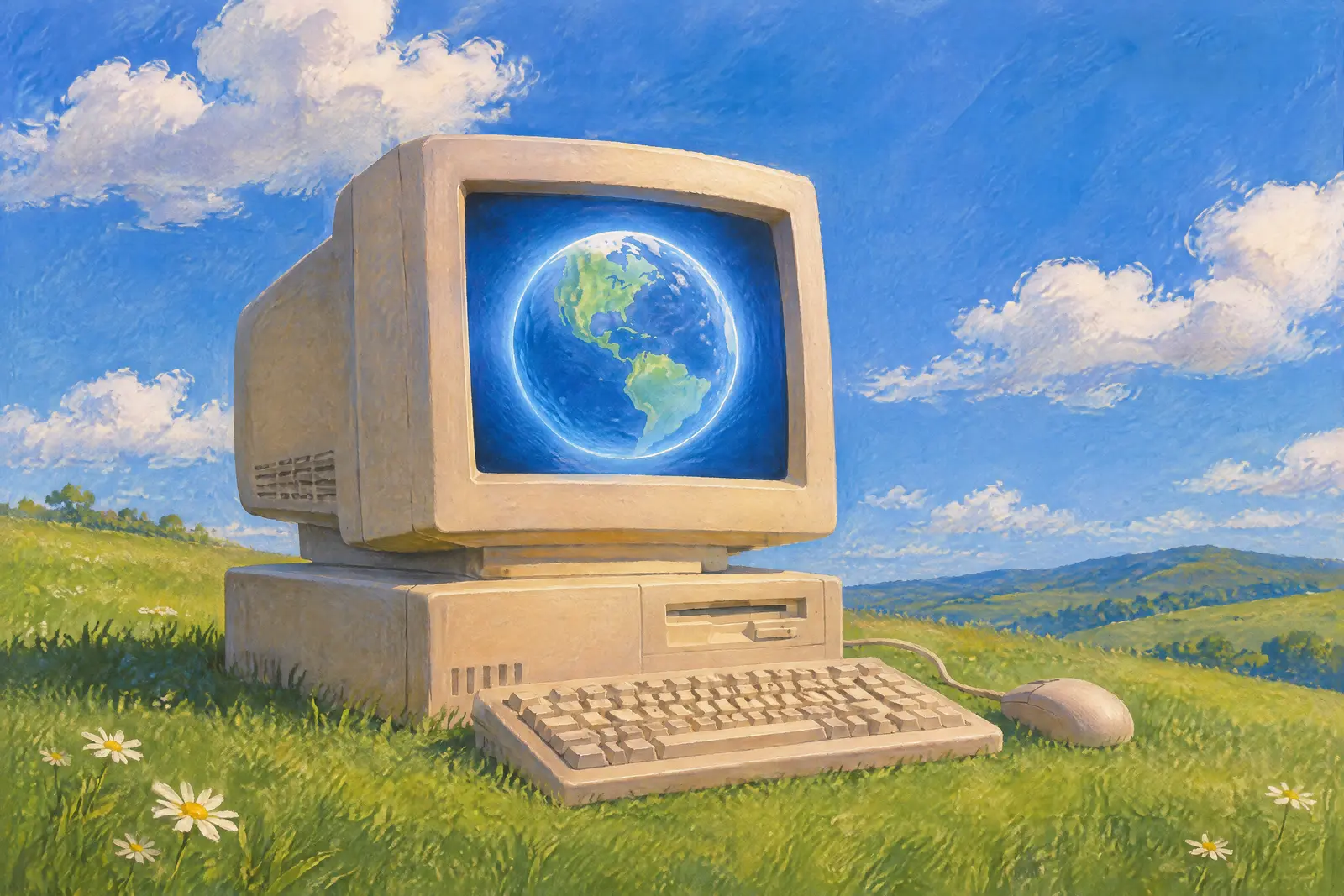
1992 to 2000: The future will be great. The Cold War was over and the internet was spreading. Apple, Microsoft and the new internet companies fed the idea of a better world through technology.
The years we feared the future
The 1970s: The system isn’t working. The oil crisis, inflation, the Vietnam War and political distrust. Taxi Driver, The Godfather and punk showed a darker, angrier world.
1999 to 2009: What if the system is fake? The Matrix and Fight Club questioned the emptiness of modern life. Then came 9/11, the wars and the 2008 financial crisis.
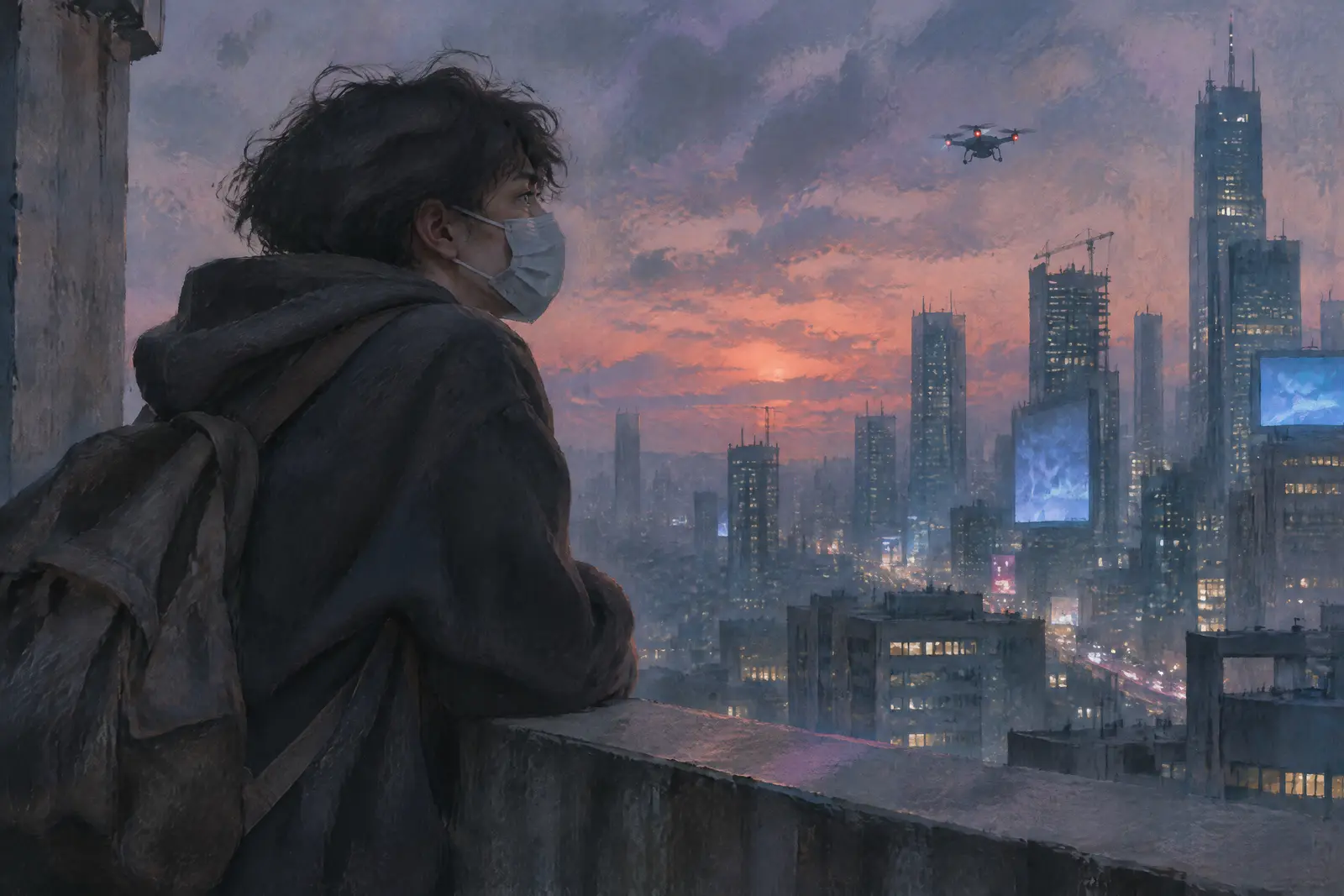
2020 to 2026: The future could get out of control. The pandemic, wars, the cost of living, climate anxiety and AI. We have some of the most powerful technologies in history, but we are not sure where they will take us.
So, is this a cycle?
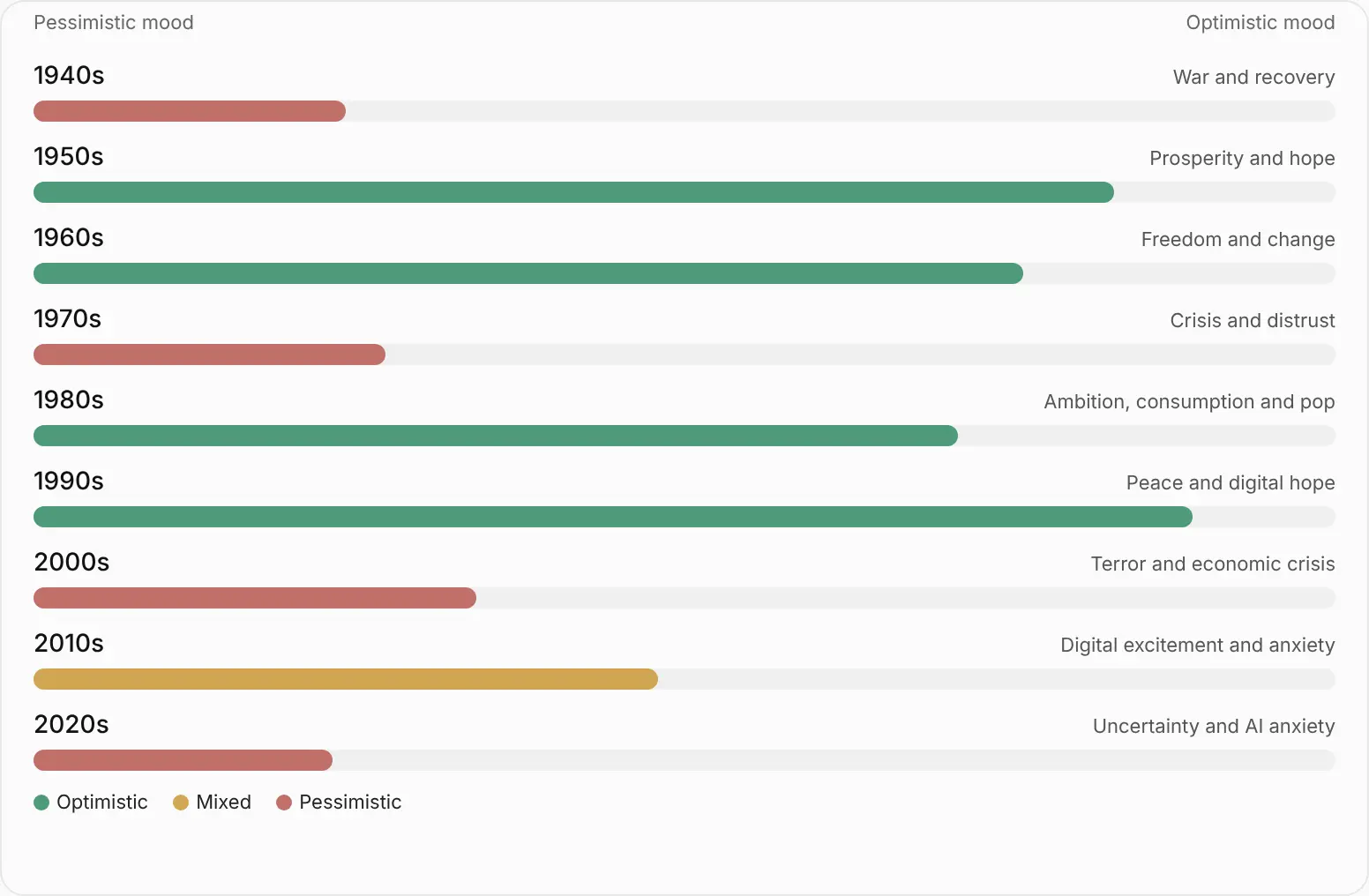
Looking back, there are examples we can read as optimistic periods of roughly 10 to 20 years and pessimistic periods of 5 to 15 years. But this is not a fixed calendar. History doesn’t run like a clock. Countries and societies live the same years differently.
Still, I notice one thing: in optimistic times, we imagine the future. In pessimistic times, we miss the past.
Could the 2030s be a new age of optimism?
Home electronics in the 1950s, personal computers in the 1980s and the internet in the 1990s all made people excited about the future. Now AI is on stage.
But here is the difference. Earlier technologies showed us what we could do. AI also makes us ask what we will do in the future.
Maybe a new age of optimism won’t start with how smart the technology is, but with how strong, free and safe people feel because of it.
Who knows? Maybe years from now, we will look back at 2026 and realise we were living just before a new era.
What do you think? Do you feel more optimistic or more pessimistic about the next 10 years?
Quick answers
What changes the mood of the world?
The economy, wars and technology. Prosperity, peace and new technologies raise confidence in the future; crises, wars and uncertainty wear it down.
How long do optimistic and pessimistic periods last?
Looking back, there are examples we can read as optimistic periods of roughly 10 to 20 years and pessimistic periods of 5 to 15 years. It is not a fixed calendar; countries and societies live the same years differently.
Could the 2030s be a new age of optimism?
Maybe. Home electronics in the 1950s, personal computers in the 1980s and the internet in the 1990s made people excited about the future; now AI is on stage. A new age of optimism may start not with how smart the technology is, but with how strong, free and safe people feel because of it.
Editorial note: The periods here are based mainly on Western popular culture. The chart scores and estimated durations are not measured research data or proven cycles. They are interpretive examples to make the conversation easier.